The Science of Smoking Meat: How to Master Low and Slow BBQ Like a Professional Pitmaster

The Science of Smoking: What Really Happens Inside the Pit
Low and slow BBQ isn’t guesswork. It isn’t luck. And it definitely isn’t “just throw some wood on and hope for the best.”
Proper barbecue smoking is chemistry, airflow control, combustion science, and meat structure all working together. When it’s done right, you get deep smoke flavour, a defined smoke ring, perfect bark, and tender meat that doesn’t need drowning in sauce.
In this series, we’re breaking down the real science behind professional BBQ smoking techniques — from choosing the best wood for smoking meat to understanding how the smoke ring forms.
Let’s start with the foundation.
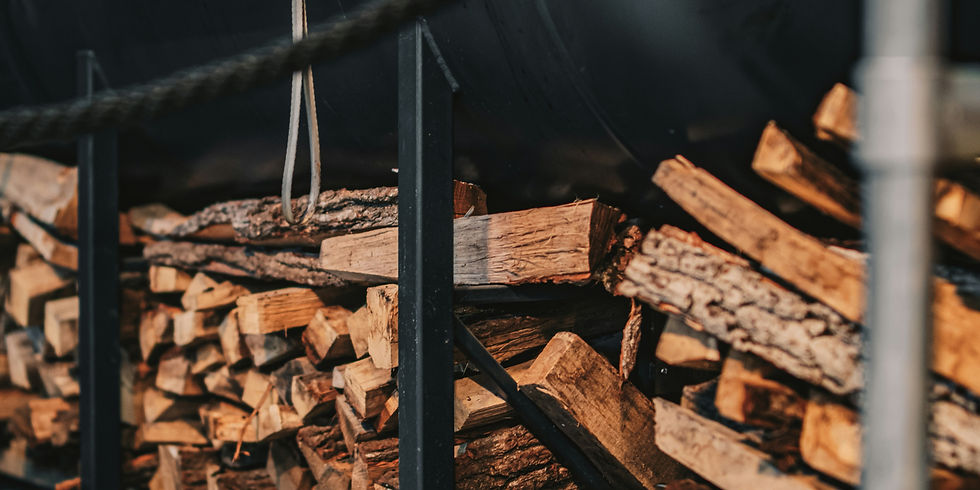
Part 1: Choosing the Best Wood for Smoking Meat – The Foundation of Proper BBQ
If you want to master BBQ smoking techniques, stop obsessing over rub recipes and start paying attention to your fuel.
Wood is not just heat. Wood is flavour. Wood is chemistry. Wood is control.
When people ask how to smoke meat properly, they usually mean temperature or timing. But the real foundation of low and slow BBQ starts long before the meat goes anywhere near the grill.
It starts with combustion.
And combustion starts with choosing the right hardwood.
Why Only Hardwoods Work for Smoking Meat
Let’s clear this up immediately.
If you’re serious about professional BBQ smoking, you use hardwood. Full stop.
Hardwoods like oak, hickory, apple, and cherry are dense. That density means they burn slower, more evenly, and produce stable smoke compounds that enhance flavour rather than destroy it.
Softwoods like pine or treated timber contain high levels of resin and sap. When burned, they produce thick, dirty smoke loaded with harsh compounds that create bitterness and leave a chemical aftertaste.
That’s not “rustic. "That's bad fire management.
When we talk about the best wood for smoking meat, we’re talking about hardwoods that produce clean, controlled combustion.
What Actually Happens When Wood Burns
To understand why different woods taste different, you need to understand what’s inside them.
Wood is primarily made up of:
Cellulose
Hemicellulose
Lignin
When wood combusts, lignin breaks down and releases phenolic compounds — particularly syringol and guaiacol. These are the compounds responsible for that distinctive smoky aroma and flavour.
Different species of wood contain different lignin structures. That’s why oak smoke tastes different to applewood smoke.
This is not subjective preference. It’s molecular structure.
The key to smoking meat properly is managing how those compounds are released — and that comes down to airflow and fire control (which we’ll cover later).
But first, let’s break down the major players.
Oak – The Backbone of Professional BBQ
If you run a catering operation or cook consistently for large groups, oak is your safety net.
Oak provides:
Medium to strong smoke flavour
Stable, even burn
Predictable heat output
Excellent coal production
Oak is the foundation of many professional low and slow BBQ setups because it’s forgiving. It doesn’t spike aggressively. It doesn’t overwhelm the meat.
For brisket and beef ribs especially, oak delivers depth without bitterness.
In a commercial setting like wedding catering or large-scale events, predictability matters. Oak gives you control — and control equals consistency.
If someone is learning how to smoke meat properly, oak is where they should start.
Hickory – Bold, Classic, Powerful
Hickory is what many people associate with traditional American-style barbecue.
It produces:
Strong, bacon-like aroma
Deep savoury smoke
More intense phenolic output than oak
Hickory works beautifully with pork shoulder and ribs because pork can handle the strength.
But here’s where amateurs go wrong: They overload it.
Too much hickory combined with poor airflow produces heavy white smoke. That thick smoke contains creosote — and creosote equals bitterness and an unpleasant coating on the palate. Hickory demands discipline. When used correctly, it delivers bold, confident smoke flavour. When mismanaged, it ruins hours of work.
Fruitwoods – Subtle, Sweet, Strategic
Apple and cherry fall into the fruitwood category.
They burn lighter and produce a milder smoke profile. That doesn’t mean “weaker.” It means more delicate.
Applewood provides a slightly sweet, subtle smoke that pairs exceptionally well with poultry and pork loin.
Cherrywood has an added advantage — it enhances colour. The smoke interacts with the meat surface in a way that deepens the exterior to a rich mahogany tone.
If you’re presenting food at weddings or premium private events, appearance matters. Cherry helps create that deep, polished bark that photographs beautifully.
Many experienced pit masters blend fruitwood with oak to create layered smoke flavour.
That’s the difference between cooking and crafting.
Mesquite – High Heat, High Risk
Mesquite is powerful.
It burns hot. It burns fast. It produces intense, earthy smoke.
In Texas-style barbecue, mesquite has history. But for low and slow BBQ, especially in professional catering environments, it requires experience.
Mesquite can overpower meat quickly if airflow and combustion aren’t tightly controlled. It’s less forgiving than oak and less balanced than fruitwoods.
Used sparingly — often blended with oak — it can add complexity.
Used carelessly, it creates harsh smoke flavour that no sauce can fix.
Matching Wood to Meat – Strategic Pairing
There’s no rigid rulebook, but there are logical pairings based on fat content and muscle structure.
Brisket: Oak or oak/hickory blend
Beef ribs: Oak
Pork shoulder: Hickory balanced with fruitwood
Ribs: Hickory or cherry
Chicken: Apple or cherry
The higher the fat content, the more robust smoke it can handle.
Lean meats require subtlety.
Understanding this is a core part of mastering BBQ smoking techniques.
The Real Goal: Thin Blue Smoke
The biggest mistake beginners make when choosing wood isn’t the species — it’s how they burn it.
You don’t want thick white smoke pouring out of your smoker.
You want thin blue smoke — barely visible, clean-burning, efficient combustion.
Thin blue smoke indicates:
Proper oxygen flow
Complete combustion
Balanced fuel load
That’s where the best smoke flavour comes from.
When clients book The Pit and Platter, they’re not booking guesswork. They’re booking controlled fire, deliberate wood choice, and proper smoke management.
Because great BBQ doesn’t start with seasoning.
It starts with fuel.

Part 2: The Chemistry of Smoking – What Happens Inside the Meat During Low and Slow BBQ
Most people think smoking meat is about flavour. Professionals know it’s about structure.
When you cook low and slow BBQ properly, you’re not just heating meat — you’re transforming it at a molecular level. Proteins change shape. Collagen dissolves. Moisture redistributes. Smoke compounds bond. Fats render.
If you don’t understand what’s happening inside the meat, you’re just guessing with temperature.
Let’s break down the real science behind smoking meat properly.
Muscle Structure: What You’re Actually Cooking
Meat is made up of:
Muscle fibres
Connective tissue (collagen)
Fat
Water
Each component reacts differently to heat.
When someone struggles with brisket or pork shoulder, it’s usually because they didn’t respect how these components behave under low and slow BBQ conditions.
Protein Denaturation – Why Meat Tightens First
As heat rises, muscle proteins begin to denature — meaning they unravel and tighten.
At around 40–50°C (104–122°F), myosin begins to contract. By 60°C (140°F), actin tightens further.
This tightening squeezes moisture out of the muscle fibres. That’s why meat initially feels firmer as it cooks.
If you cook too hot, too fast, you force excessive contraction before connective tissue has time to break down. That’s how you end up with dry brisket.
BBQ temperature control isn’t optional. It’s structural management.
Collagen Breakdown – The Core of Low and Slow BBQ
Here’s where proper BBQ smoking techniques separate amateurs from professionals.
Collagen is the tough connective tissue found heavily in working muscles — like brisket, beef ribs, and pork shoulder.
Collagen starts to break down into gelatine around 70°C (160°F), but it doesn’t happen instantly. It requires time at temperature. This is why low and slow BBQ works.
If you rush brisket to 95°C internal temperature too quickly, the collagen doesn’t have enough time to convert properly. But when you hold meat steadily between 90–95°C (195–203°F) and allow it to rest properly, collagen dissolves into gelatine.
That gelatine is what gives you:
Tender slices
Moist mouthfeel
That silky pull-apart texture
You’re not “cooking it until it’s soft. You’re converting connective tissue into lubrication.
That’s science.
The Stall – Why Your Meat Stops Rising in Temperature
Anyone learning how to smoke meat properly eventually hits the stall.
The internal temperature rises steadily — then suddenly stops around 65–75°C (150–170°F). Panic sets in. But the stall is physics, not failure.
As moisture evaporates from the surface of the meat, it cools it — just like sweat cools your skin. This evaporative cooling balances out the heat input, temporarily halting temperature rise.
This phase is critical for:
Smoke absorption
Bark formation
Surface dehydration
You can either:
Wait it out (true low and slow BBQ method), or
Wrap the meat (Texas Crutch) to reduce evaporation
Both methods work. The choice depends on texture goals and time constraints — especially in a professional catering environment.
Fat Rendering – Controlled Lubrication
Fat behaves differently from collagen.
It begins rendering around 55–60°C (130–140°F), slowly melting and lubricating the muscle fibres.
In cuts like brisket point or pork shoulder, rendered fat adds richness and mouthfeel.
But fat rendering is gradual. If temperature spikes too high, fat can render too aggressively and leave meat greasy rather than balanced.
Controlled heat ensures:
Gradual fat melt
Even distribution
No excessive pooling
Again — temperature discipline matters.
Smoke Absorption – Timing Is Everything
One of the biggest myths in BBQ smoking techniques is that meat “absorbs smoke” for the entire cook.
It doesn’t.
Smoke adhesion happens primarily in the early stages, when:
The meat surface is moist
Proteins are still receptive
Bark hasn’t fully formed
As the surface dries and bark develops, smoke absorption significantly decreases.
That means your fire management in the first few hours is critical.
Dirty smoke early on = locked-in bitterness.
Clean combustion early on = deep, balanced smoke flavour.
If you’re serious about smoking meat properly, the beginning of the cook is where precision matters most.
The Maillard Reaction – Building the Bark
The dark crust on brisket isn’t just seasoning.
It’s the Maillard reaction — a chemical reaction between amino acids and reducing sugars at temperatures above roughly 140°C (285°F) on the surface.
In a smoker running at 110–135°C ambient temperature, the surface can still exceed that threshold due to dehydration and radiant heat.
For strong bark development, you need:
Dry surface
Stable heat
Airflow
Time
Too much moisture (from spritzing excessively or poor airflow) inhibits bark formation.
Professional low and slow BBQ balances smoke, dehydration, and surface heat to create that textured, flavour-packed crust.
Resting – The Final Chemical Phase
Most people think cooking ends when meat leaves the smoker.
It doesn’t.
Resting is a continuation of the cooking process.
When meat rests:
Internal temperature equalises
Muscle fibres relax
Moisture redistributes
Gelatine thickens slightly
Cut too early, and juices flood out.
Rest properly — often 1–3 hours for large cuts — and moisture stays inside the meat where it belongs.
For event catering, mastering resting and holding temperatures safely is just as important as smoking itself.
Low and Slow BBQ Is Controlled Transformation
When someone asks how to smoke meat properly, the answer isn’t a recipe.
It’s understanding:
Protein denaturation
Collagen conversion
Evaporative cooling
Fat rendering
Smoke adhesion
Surface chemistry
Low and slow BBQ works because it respects time, structure, and combustion.
At The Pit and Platter, this isn’t theory — it’s applied every time we cook for weddings, private events, and large-scale catering.
Because once you understand what’s happening inside the meat, you stop chasing temperature numbers.
You start managing transformation.
Part 3: The Science Behind the Smoke Ring – What It Really Means (And What It Doesn’t)
Let’s clear something up straight away.
The smoke ring is not proof of better flavour. It’s not a badge of honour. And it’s not magic.
It’s chemistry.
The pink layer just beneath the bark of brisket or ribs has become a visual symbol of proper low and slow BBQ. Clients see it and think, “That’s proper barbecue.”
But if you’re serious about understanding BBQ smoking techniques, you need to know what actually creates it — and why it doesn’t automatically mean the meat tastes better.
What Is the Smoke Ring?
When you slice into smoked brisket and see that pink layer just below the surface, what you’re looking at is preserved myoglobin.
Myoglobin is a protein in meat responsible for its red colour when raw.
Normally, when meat is heated past roughly 60°C (140°F), myoglobin denatures and turns brown-grey. That’s why roast beef loses its red colour as it cooks through.
But in barbecue smoking, something interrupts that process.
That interruption creates the smoke ring.
The Real Chemical Reaction
When wood burns during low and slow BBQ, it produces gases — particularly:
Nitric oxide (NO)
Carbon monoxide (CO)
These gases are produced during clean combustion of hardwood.
When nitric oxide and carbon monoxide come into contact with the surface of meat — before the myoglobin fully denatures — they bind to it. This stabilises the pink pigment.
In simple terms:
Heat tries to turn the meat brown. Combustion gases preserve the red colour. The result is the smoke ring.
This reaction only happens while the meat is below roughly 60°C internally.
After that, the window closes. That’s why the early stage of smoking meat properly is critical.
Why the First Few Hours Matter Most
The smoke ring forms early in the cook.
If your fire is producing clean combustion gases during those first hours, you create the chemical conditions necessary for the reaction.
If your airflow is poor, or you’re producing thick white smoke instead of thin blue smoke, combustion is incomplete. Incomplete combustion means fewer nitric oxide gases.
Less nitric oxide means weaker smoke ring development.
This is why professional BBQ smoking techniques emphasise:
Clean-burning fire
Proper oxygen flow
Stable temperature
Quality hardwood
It’s not about “more smoke. "It's about correct combustion.
Does a Bigger Smoke Ring Mean Better BBQ?
No.
And this is where social media has confused people.
You can produce a strong smoke ring with curing salts (which contain nitrates). That’s essentially how pastrami and corned beef maintain their colour.
You can also cook incredible brisket with minimal smoke ring if the combustion conditions weren’t heavy in nitric oxide.
Flavour comes primarily from:
Phenolic compounds
Surface smoke adhesion
Bark formation
Fat rendering
Not from the colour band.
The smoke ring is a by product of good fire management — not a measure of taste.
Factors That Affect Smoke Ring Formation
If you’re learning how to get a smoke ring consistently, these variables matter:
1. Moisture on the Surface
Smoke gases bind more effectively to moist meat.
That’s why meat straight from the fridge often develops a stronger ring than meat left out too long before cooking.
Moisture improves gas absorption.
But too much moisture later can damage bark development — so timing matters.
2. Temperature Control
Because the reaction only happens before myoglobin denatures, you need gradual heat rise.
If your smoker spikes aggressively early on, the internal temperature climbs too fast, and the reaction window closes.
This is why stable low and slow BBQ temperatures (105–120°C range) are ideal early in the cook.
3. Airflow and Oxygen
Nitric oxide is produced during proper combustion.
Choking the fire reduces oxygen and creates dirty smoke.
Too much oxygen spikes heat.
Balanced airflow produces thin blue smoke — which creates the gases necessary for smoke ring formation.
Fire management and smoke ring science are directly connected.
4. Type of Fuel
Charcoal alone produces less nitric oxide than burning hardwood splits.
Wood-fired offsets typically create more pronounced smoke rings than pellet grills, because combustion dynamics differ.
That doesn’t mean pellet grills can’t produce a ring — but fuel chemistry absolutely plays a role.
Why Professionals Don’t Chase the Ring
Here’s the honest truth from a catering perspective:
Clients love seeing it. But professionals don’t obsess over it.
When we cook at The Pit and Platter, the focus is:
Tenderness
Moisture retention
Balanced smoke flavour
Bark texture
Presentation
The smoke ring is visual theatre — and it’s impressive when it’s there.
But if you prioritise the ring over proper BBQ smoking techniques, you’ll compromise texture chasing aesthetics.
And that’s amateur thinking.
The Smoke Ring as Proof of Fire Discipline
Although it’s not a flavour indicator, the smoke ring does show one thing:
You managed early combustion correctly.
A defined smoke ring usually means:
Clean-burning hardwood
Proper airflow
Controlled early temperature
Good surface conditions
In other words — you respected the science of smoking.
It’s not about ego.
It’s about execution.
Final Word on Smoke Ring Science
Understanding the smoke ring separates myth from method.
It forms because of:
Nitric oxide
Carbon monoxide
Stabilised myoglobin
Early-stage combustion chemistry
It does not form because you “smoked it harder.”
And it definitely doesn’t guarantee better taste.
If you want to smoke meat properly, focus on:
Clean fire
Temperature discipline
Collagen breakdown
Resting
The ring will either show up — or it won’t.
But the flavour? That's built long before you ever slice into it.

Part 4: Fire Management & Airflow – The Skill That Separates Amateurs from Pitmasters
You can buy the best smoker money can get.
You can copy rub recipes. You can follow internal temperature charts.
But if you don’t understand fire management, you’ll never truly master low and slow BBQ.
This is where real pit masters earn their reputation. Because smoking meat properly isn’t about gadgets.
It’s about controlling combustion.
Fire Is a Living System
A smoker isn’t an oven.
An oven applies consistent, enclosed heat. A smoker runs on live combustion — and combustion is dynamic.
Fire requires three things:
Fuel
Oxygen
Heat
This is the fire triangle.
Adjust one element, and everything changes.
When people struggle with BBQ temperature control, it’s almost always because they misunderstand oxygen management.
Oxygen: The Invisible Temperature Dial
More oxygen = hotter, cleaner burn. Less oxygen = cooler, dirtier burn.
Choke the airflow too much and wood smoulders instead of combusting fully. Smouldering wood produces thick white smoke loaded with unburnt particles and creosote.
That’s the bitter, harsh flavour that coats your tongue and ruins brisket.
On the other hand, overload the firebox with oxygen and you spike temperatures beyond your target range.
Professional BBQ smoking techniques rely on balance.
You don’t suffocate the fire. You don’t let it rage.
You feed it.
Thin Blue Smoke – The Gold Standard
If you remember one thing about smoking meat properly, make it this:
You want thin blue smoke.
Not thick clouds. Not rolling white plumes. Not dramatic Instagram smoke.
Thin blue smoke is:
Light
Almost invisible
Clean-burning
Slightly sweet-smelling
It indicates complete combustion.
When hardwood combusts efficiently, it produces the clean phenolic compounds responsible for balanced smoke flavour — without excessive soot or bitterness.
If your smoker looks like it’s signalling for rescue, something’s wrong.
Fuel Management – Small Adjustments, Not Big Swings
The biggest mistake beginners make is adding too much fuel at once.
They see temperature drop slightly. They panic. They throw in multiple logs.
Temperature spikes. Airflow shifts. Combustion destabilises.
Professional fire management is about small, controlled additions.
Add one split. Let it ignite properly. Allow airflow to stabilise.
This maintains steady low and slow BBQ temperatures — typically between 105–135°C (225–275°F).
Consistency is what converts collagen properly. Spikes create dryness and uneven cooking.
Coal Bed Management – The Hidden Foundation
Before clean smoke can happen, you need a stable coal bed.
A proper coal bed:
Provides consistent radiant heat
Allows new wood to ignite quickly
Prevents smouldering
If you place fresh wood onto weak coals, it struggles to ignite cleanly — leading to thick white smoke. Building and maintaining a strong coal base is one of the most overlooked professional BBQ techniques.
It’s not glamorous.
But it’s everything.
Airflow Direction Matters
In offset smokers especially, airflow design determines smoke behaviour.
Air enters through the intake vent. It feeds combustion. Heat and smoke travel across the cooking chamber. They exit through the chimney.
If your exhaust vent is restricted, smoke lingers too long.
That stale smoke deposits heavy compounds onto the meat surface, creating bitterness.
Counterintuitive truth?
You control temperature primarily with intake vents — not the chimney.
The exhaust should usually stay mostly open to allow clean airflow through the chamber.
This ensures fresh smoke continuously moves across the meat instead of sitting on it.
Managing Temperature for Professional BBQ Catering
Cooking for yourself is one thing.
Cooking for 120 wedding guests is another.
In professional BBQ catering, you don’t get second chances.
Temperature control affects:
Timing
Tenderness
Food safety
Holding procedures
Large cuts like brisket and pork shoulder require predictable cook times.
But live fire isn’t predictable unless managed correctly.
That’s why professional setups rely on:
Preheated wood splits
Stable coal base
Calibrated thermometers
Controlled airflow discipline
Because once meat hits the stall phase, or once it reaches probing tenderness, you need to know exactly how long it can rest and hold safely.
That only happens when fire management is consistent from the start.
Weather: The External Variable
Wind and ambient temperature affect combustion.
Cold air increases fuel demand. Wind increases oxygen flow. Rain affects draft.
A professional understands how environmental conditions influence BBQ airflow control.
You adjust vent openings, fuel frequency, and split size accordingly.
Amateurs blame the weather.
Professionals adjust for it.
Fire Discipline Is Mental Discipline
Here’s the part nobody talks about.
Good fire management requires patience.
It means:
Not chasing every minor temperature fluctuation
Not overcorrecting
Trusting your system
Understanding your smoker’s behaviour
Low and slow BBQ rewards restraint.
If you’re constantly adjusting vents and throwing in wood, you’re destabilising the environment.
Controlled fire equals controlled cooking.
The Difference Between Cooking and Commanding Fire
Anyone can follow a brisket recipe.
But mastering offset smoker techniques, airflow control, and combustion chemistry?
That’s skill built through repetition and understanding.
At The Pit and Platter, live-fire cooking isn’t theatre — it’s disciplined execution.
Clients don’t see:
The careful oxygen management
The split timing
The coal bed maintenance
The subtle vent adjustments
They just taste consistency.
And consistency comes from respecting the science of smoking — not guessing at it.

Final Thoughts: BBQ Is Fire Under Control
If you’ve read this entire series, you now understand something most people don’t.
Great BBQ isn’t about:
Secret rubs
Fancy smokers
Heavy sauce
It’s about:
Choosing the best wood for smoking meat
Understanding combustion chemistry
Managing collagen breakdown
Respecting smoke ring science
Controlling airflow and fire
Low and slow BBQ works because it transforms tough cuts into something exceptional — through time, temperature, and control.
Fire is powerful.
But in the hands of someone who understands it, it becomes precise.
And precision is what separates amateurs from professionals.

Comments